From the Campag Pista groupset to the Weinmann rims, this bike remains unchanged from the 1968 Olympic Games
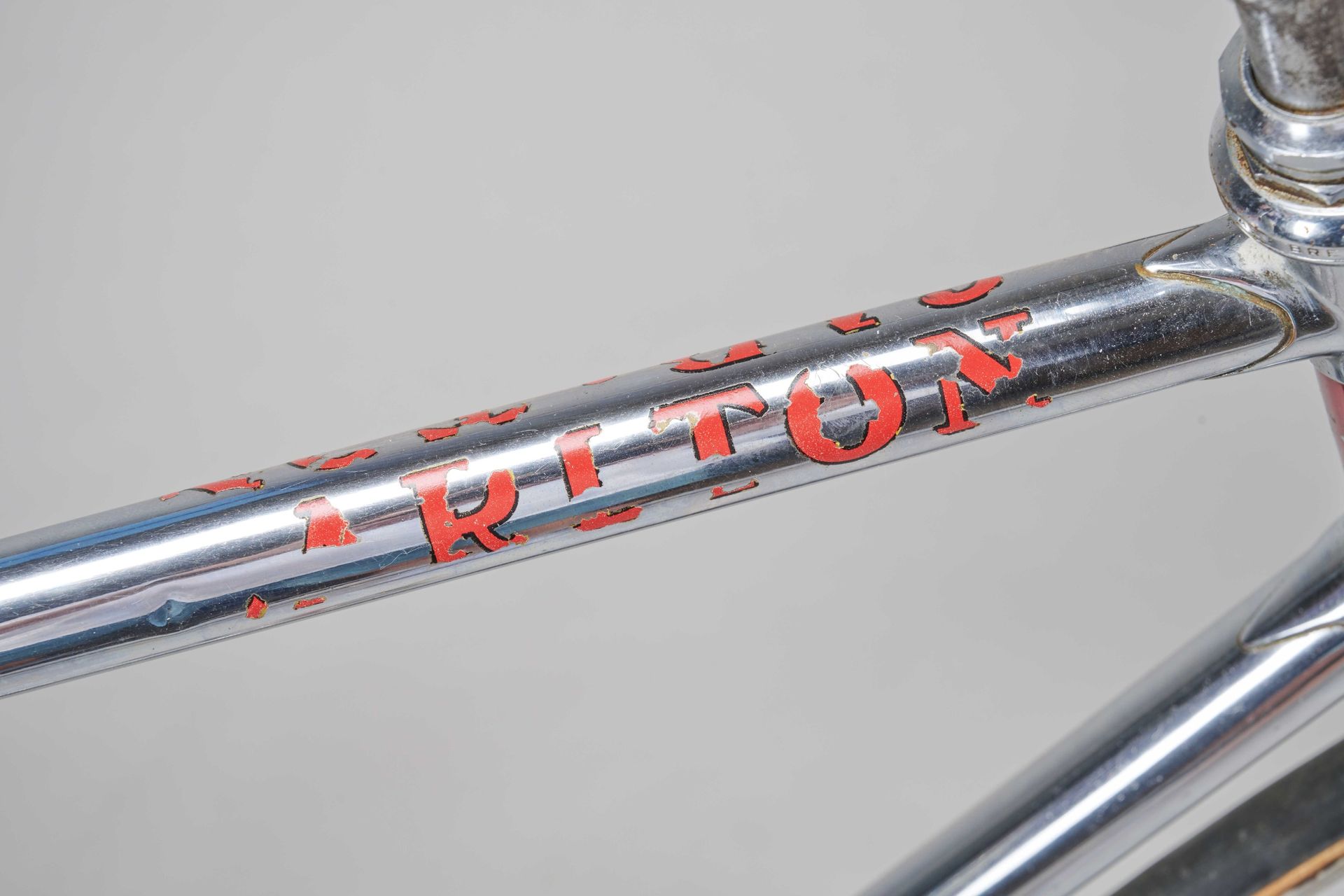
This bespoke Carlton Flyer was built with a single purpose: to carry Harry Jackson into the team pursuit at the 1968 Mexico Olympics. The frame number 100167, stamped on the bottom bracket opposite the initials HJ, indicates it’s a 1967 model, yet Jackson documented it being picked up from Carlton’s Worksop factory in July 1968. If that sounds last-minute, it’s not – in ’68 the summer Olympics were delayed until mid-October to avoid the predictably violent deluges of the Mexican rainy season.
Jackson and his teammates, Ian Alsop, Ian Hallam, and Ronald Keeble, may have been spared the downpours, but they still had to contend with the altitude. With hypoxic training in its infancy, the 7,300ft difference in altitude between the Agustín Melgar Olympic Velodrome and the team’s training ground at Herne Hill Velodrome would have bitten hard.
For riders better acclimatised, the state-of-the-art Herbert Schurmann-designed stadium, with its aggressive banking and Doussie Afzelia hardwood surface, was famously rapid.
So much so that, in the thin, low-drag mountain air, Lorenzo Bosisio, Cipriano Chemello, Luigi Roncaglia, Giorgio Morbiato of Squadra Italiana put more than 12 seconds into the Brits, eliminating them in the qualifiers and setting a new World Record in the process.
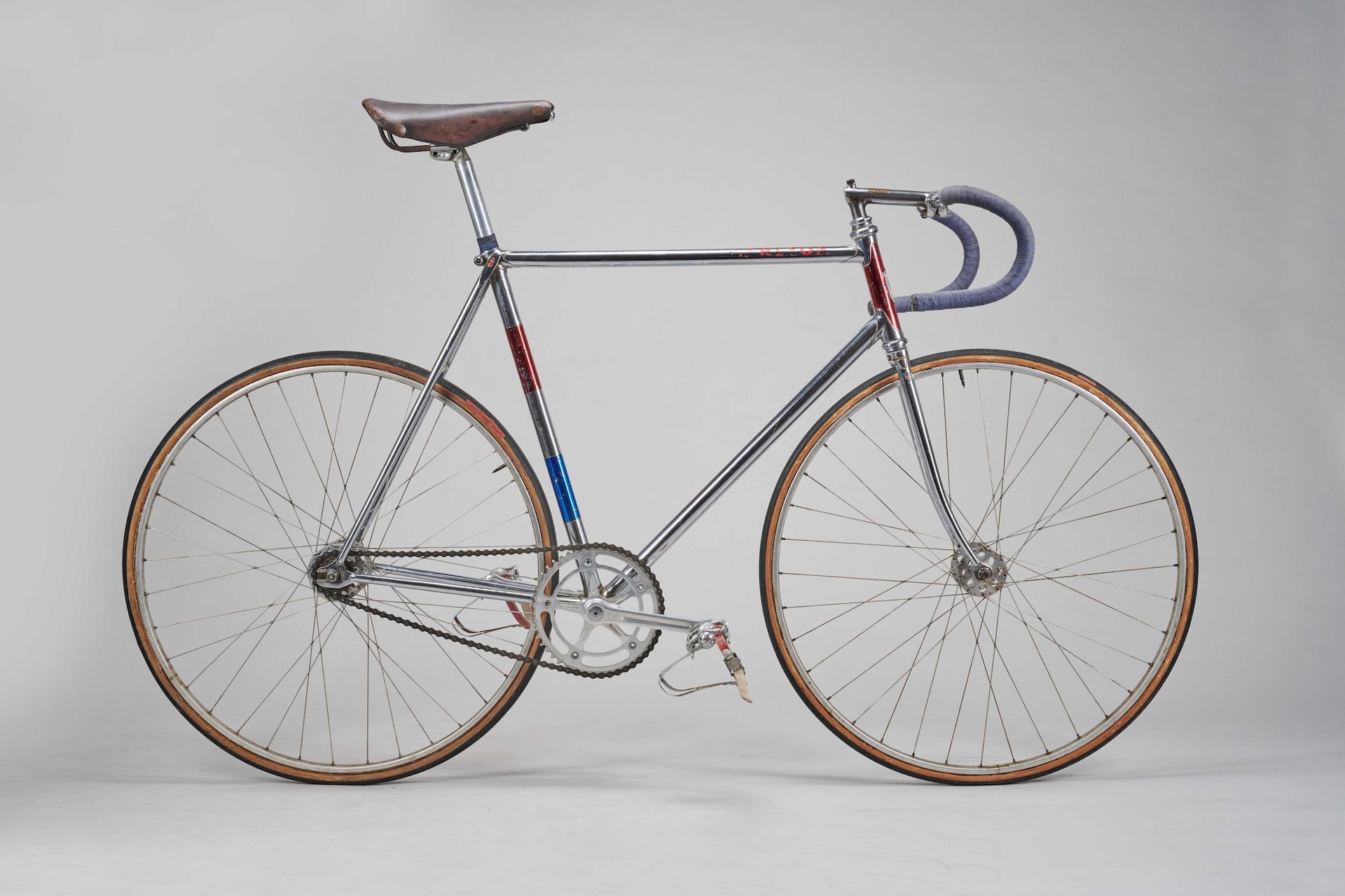
“Mexico ’68 remains so iconic. That Harry pitted this Carlton against the Italians at the Agustín Melgar Olympic Velodrome makes it such an evocative machine,” says current owner Richard Hoddinott of vintage specialists The Velo Pages.
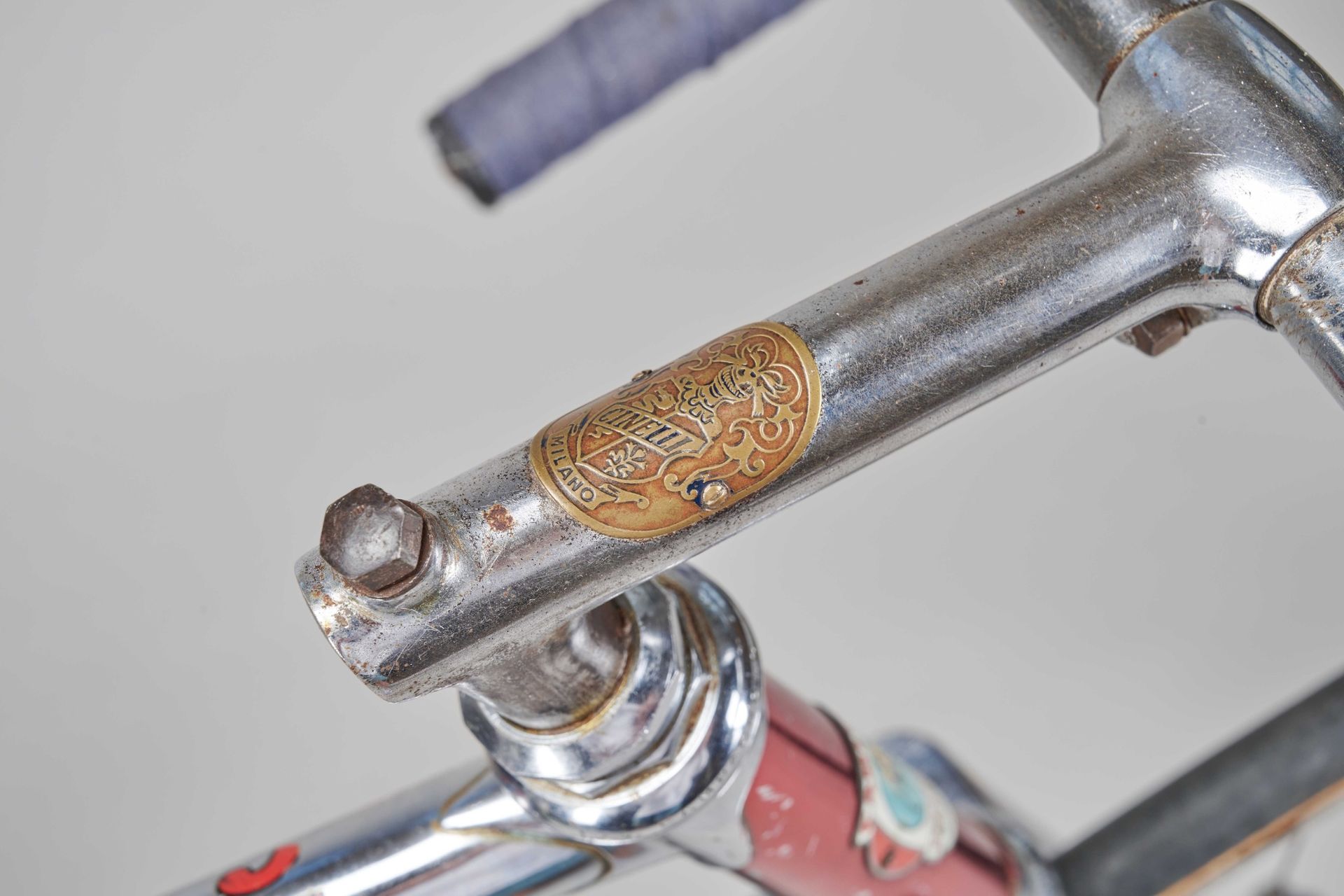
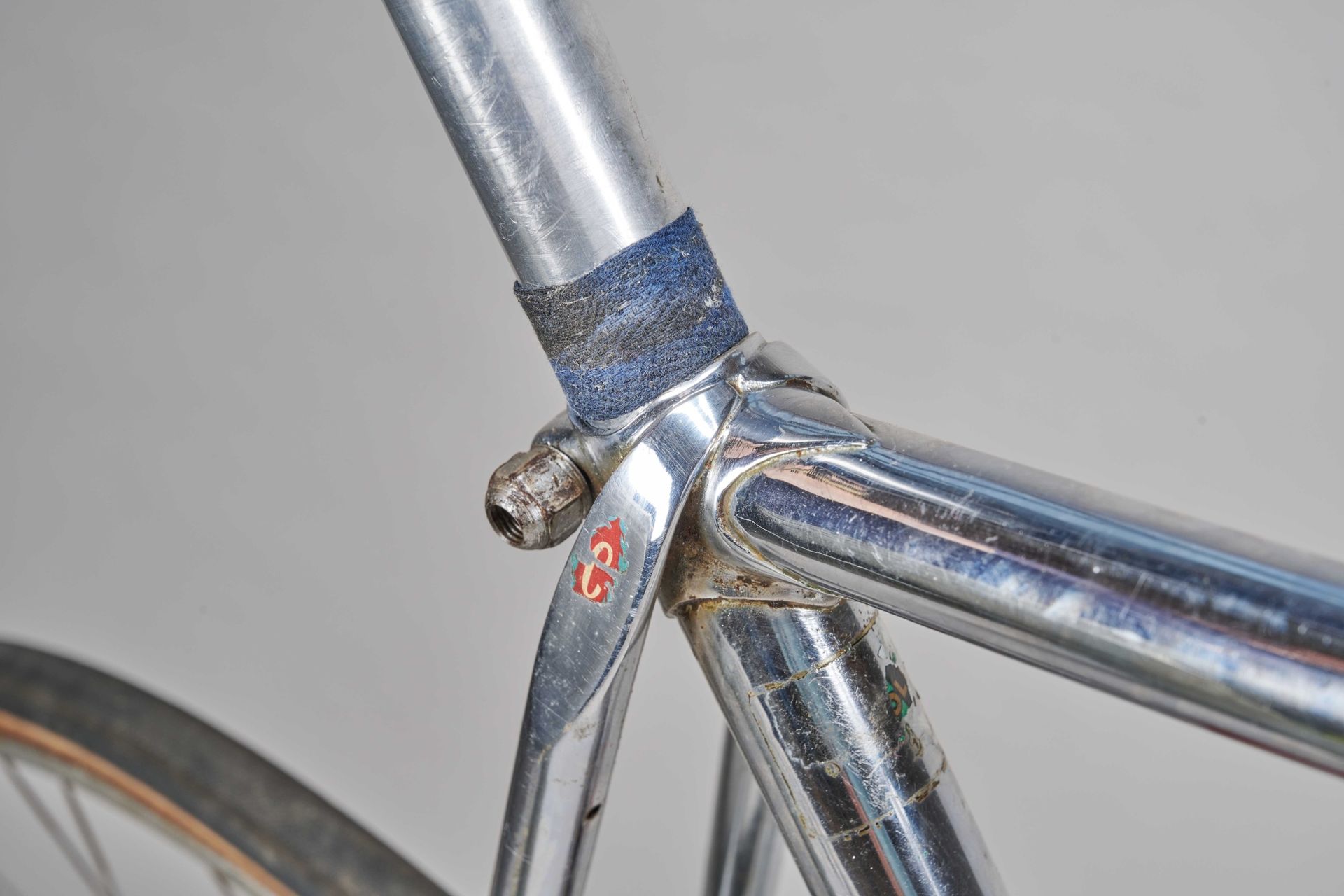
“With the now hallmark all chrome finish of Carlton track frames, the bike remains totally original. From the Campagnolo Pista drivetrain to the Airlite hubs and Weinmann rims.”
Jackson continued racing the bike after Mexico, winning both the National Meredith Trophy and the National Madison Championship with Ron Keeble in 1969, proving that, despite the disappointment in Mexico, it’s still a winner.