How Does A Wet Clubface And Ball Actually Affect Performance?
There’s not a lot you can do when it’s pouring down. Regardless of how attentive your caddie is or how high-performing your towel may be, once you step up to address the shot in heavy rain, moisture on both the ball and the clubface is inevitable.
It is a fairly typical scenario on the course where a golfer will meticulously clean their ball, but completely forget to dry their clubface after taking a practice swing in the wet grass. But how much does that oversight actually cost you from the tee box to the green?
If you play a lot of golf, you know this. You’ve seen pitch shots shoot through the green with a lack of grab and watched with disappointment well-struck iron shots come up short.
You don’t have to be Bryson DeChambeau (aka the ‘Mad Scientist’) to know that moisture on the clubface and ball affects friction.
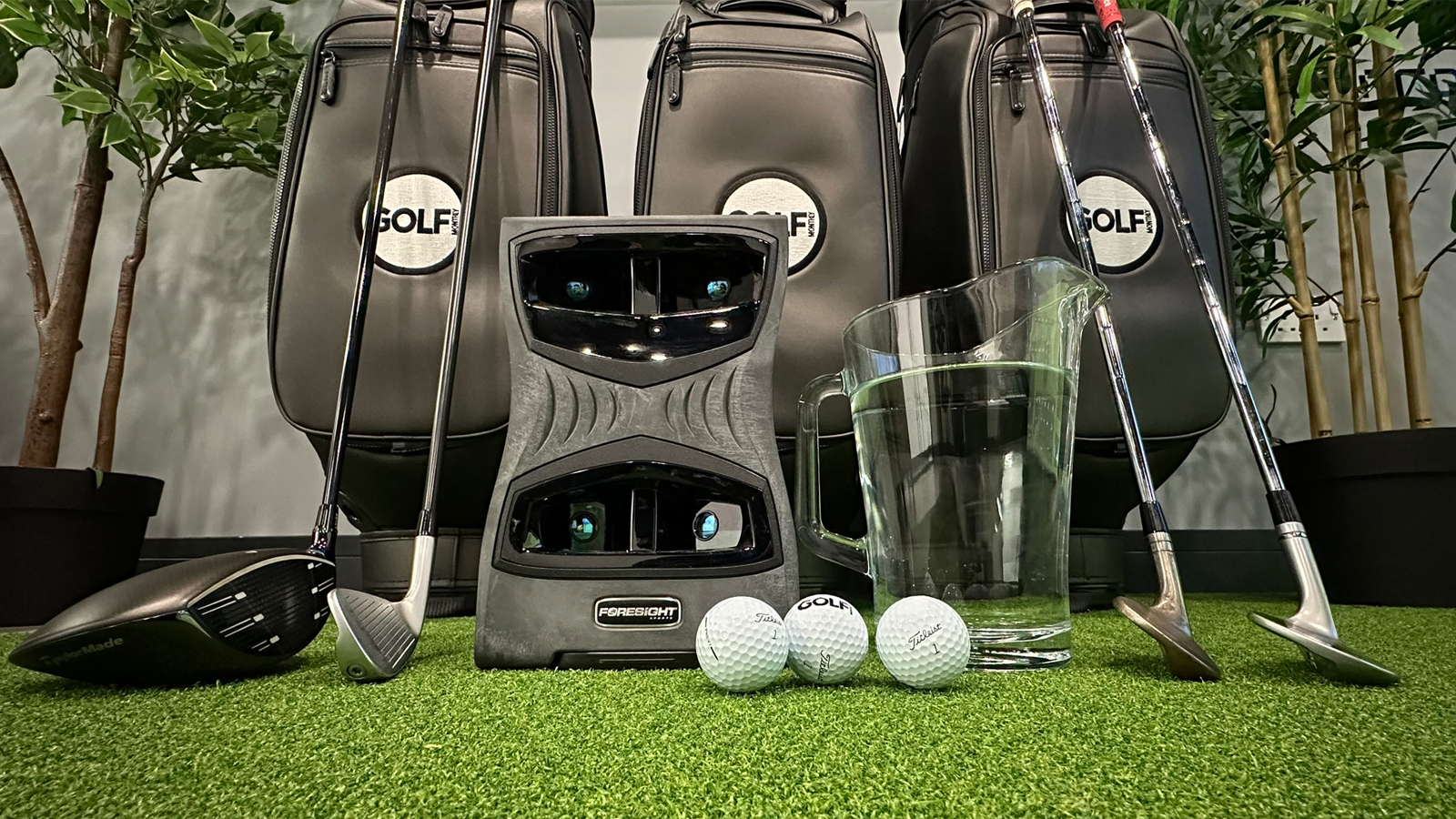
But how much difference does it really make? To find out exactly how much a wet clubface and ball alter performance, our gear guru and county golfer, Sam De’Ath tested four different clubs – a lob wedge (LW), pitching wedge (PW), 7-iron and driver.
The aim was to see the difference in consistency, specifically looking at ball speed, spin rate, peak height, and carry distance when the ball and club surfaces were manipulated from dry to wet.
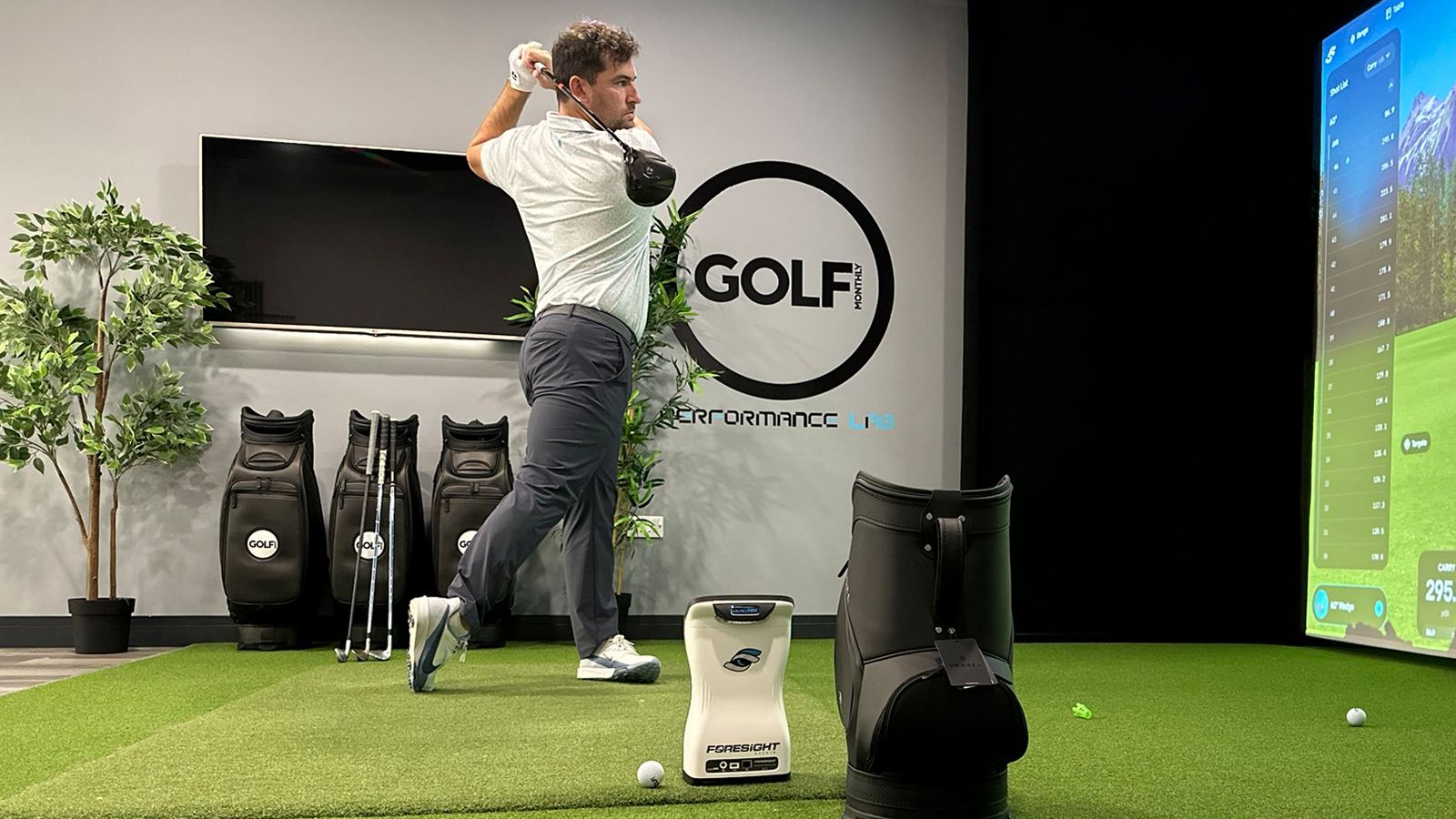
The experiment was conducted in the Golf Monthly Performance Lab using a Foresight Sports QuadMAX launch monitor.
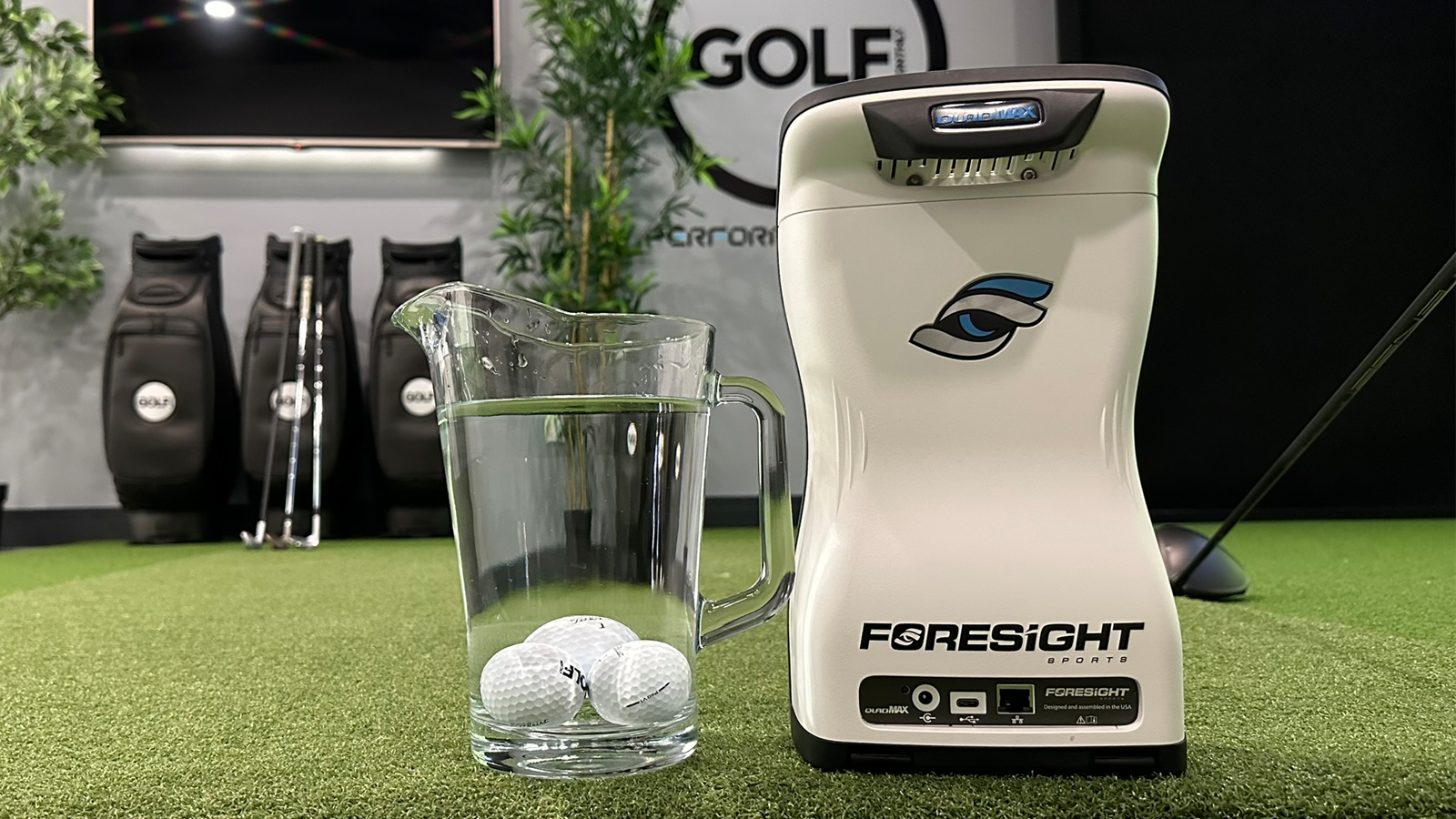
After a decent warm-up, Sam hit three shots with each club with a dry ball and dry clubface, and repeated the process with a wet ball and wet clubface.
Our Testing And The Results
Club | Conditions | Ball Speed (mph) | Spin (rpm) | Peak height (ft) | Carry (yds) |
|---|---|---|---|---|---|
LW | Dry | 70 | 11,424 | 60 | 75 |
LW | Wet | 66 | 6,724 | 67 | 70 |
PW | Dry | 101 | 8,250 | 106 | 129 |
PW | Wet | 100 | 7,449 | 105 | 130 |
7-iron | Dry | 121 | 6,074 | 116 | 170 |
7-iron | Wet | 120 | 7,599 | 102 | 163 |
Driver | Dry | 161 | 2,599 | 130 | 281 |
Driver | Wet | 161 | 3,424 | 117 | 262 |
The results are clear, though you may be surprised by how much, or how little, some metrics changed when Sam dipped his golf ball and clubs into a jug of water on each of the test clubs.
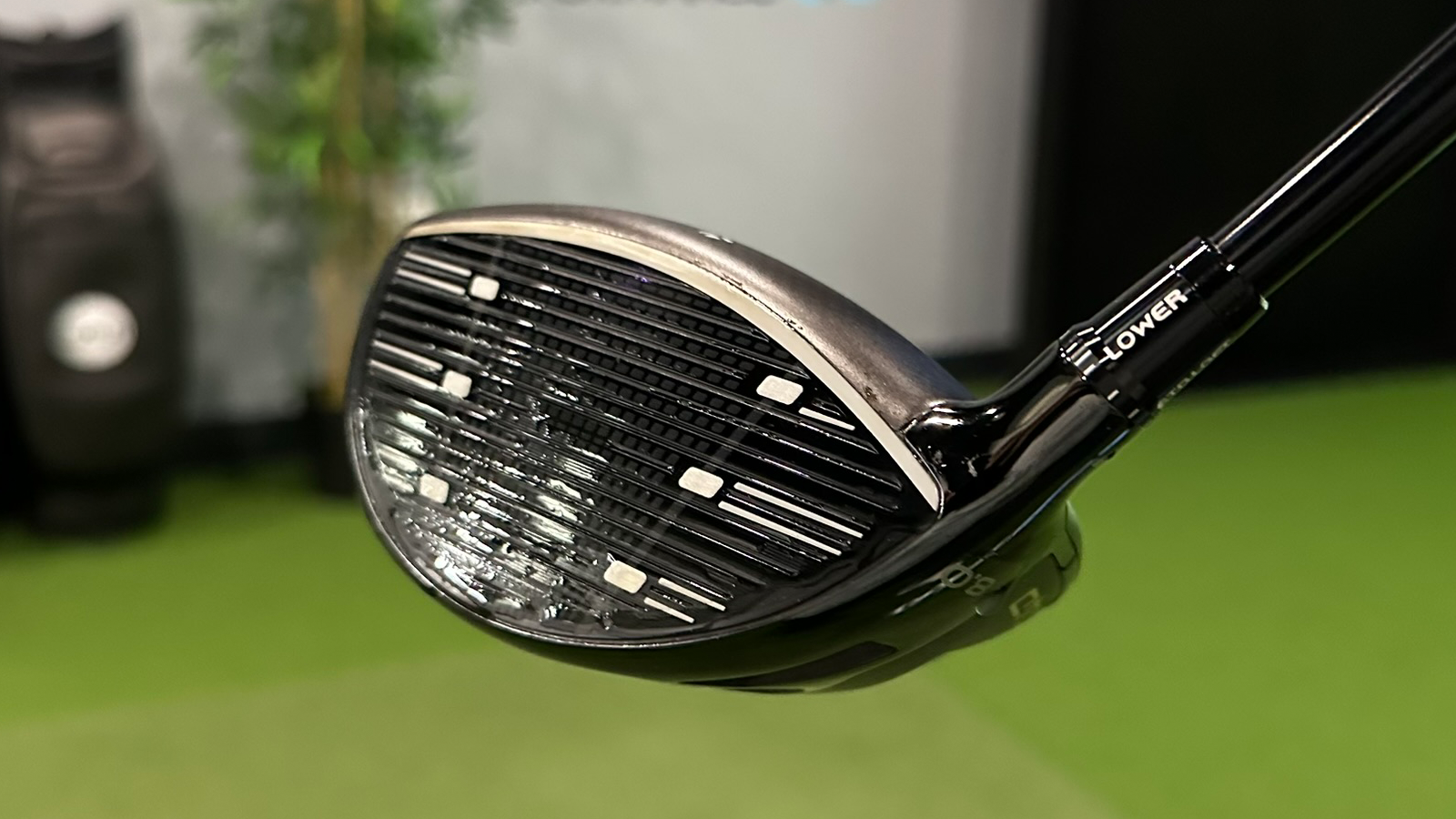
Starting with wedges and what happens around the greens. When hitting a lob wedge, introducing water caused the spin to plummet from 11,424 rpm down to just 6,724 rpm. This resulted in a peak height that was seven feet higher and a loss of five yards in carry distance. Because water fills the grooves, it essentially acts as a lubricant, causing the ball to slide up the clubface and often have your shot fall short of your intended target.

While the pitching wedge remained relatively stable, only dropping about 800 rpm of spin and maintaining its carry distance, the 7-iron told a different story.
In wet conditions, the 7-iron actually increased in spin from 6,074 rpm to 7,599 rpm, while the peak height dropped from 116 feet to 102 feet. The result? A full seven yards of carry distance lost, dropping from 170 yards to 163 yards. If you are attacking a front pin over a bunker, that 7-yard loss is the difference between a birdie putt and an upcoming tricky up-and-down.

Perhaps the most interesting data point comes when hitting the ball off the tee. Even with ball speeds staying perfectly identical at 161 mph in both dry and wet conditions, the wet driver face caused spin to jump from 2,599 rpm to an overly spinny 3,424 rpm. This extra spin instantly caused the ball to start low and balloon up in the air, robbing Sam of a massive 19 yards of carry (281 yards down to 262 yards).
When you factor in that the temperature has probably dropped if you happen to be playing in the rain, you’re likely to suffer even bigger distance losses, so something to bear in mind the next time you’re battling the elements on the course.
What The Professionals Say
Playing golf in wet conditions on a wet course presents several different challenges. Some professionals have built quite a reputation for playing in tough conditions, but we’re not just talking about ‘wind specialists’.
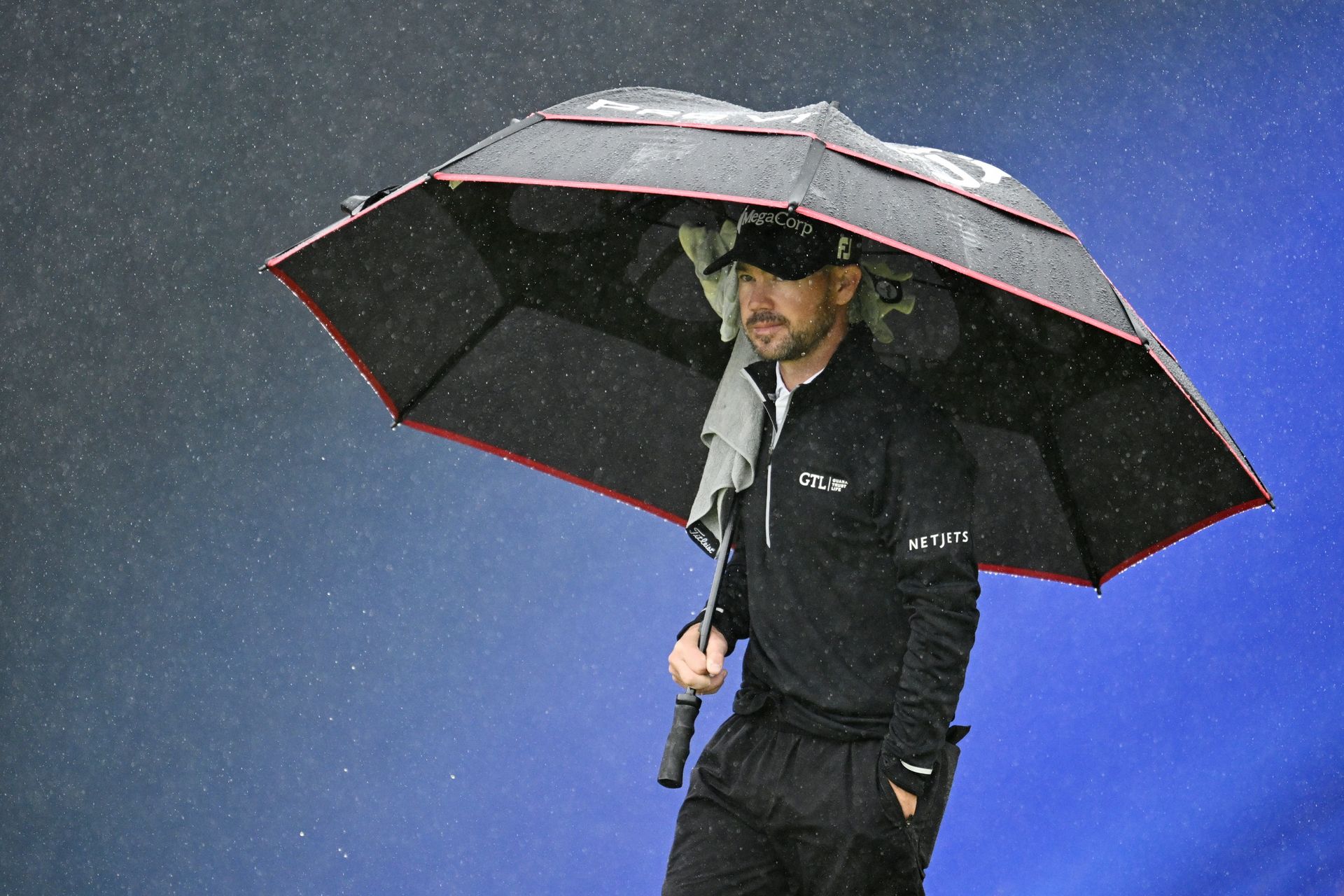
It’s a skill to be able to predict how certain shots will come off the clubface in the rain – just ask former Open champion Brian Harman, who tamed a drenched Hoylake in 2023.
“I haven’t historically done very good in the rain,” the American said after lifting the Claret Jug.
“It’s just always bugged me. I was really proud of the way that I struck the ball in the rain today.”
As for our own talented gear tester, he believes handicap golfers should spend more time practising their short game in wet conditions.
“You have to adapt to water on the clubface as you work through the bag,” says Sam.
“You’ll lose spin with the higher-lofted clubs, so clubbing up is essential to getting the ball back to the hole.
It’s sound advice. A lot of handicap players don’t take enough club even when it’s dry, and one of the most common tour pro tips we get is to play the yardage to the back of the green, every time.
“When chipping and pitching, I’ll also allow for more roll-out than usual, choosing a landing zone closer to me than when I’m playing in dry conditions,” adds Sam.
“The best adjustment you can make for water on the face actually happens before you even swing. I always keep a dry towel tucked under my umbrella when it’s raining.
“Wiping the grooves completely dry just before you address the ball is the best way to retain as much control as possible.”
Our Verdict
One continuous theme throughout the test is that removing water from the equation gives you dramatically more predictable numbers, a lower spin on the most part, and far more adequate distance. Whether it is a massive loss of greenside control or an unwanted spike in spin costing you 19 yards off the tee, moisture is undeniably a negative variable for golfers.
While unfortunately we’re not able to control the weather, having a dry towel handy to wipe your grooves and clubface before every single shot is a habit every golfer should adopt, and even adding a spare towel to dry your grips is worth thinking about if the rain is particularly heavy. The data proves it will have a hugely positive impact on every club in your bag and will undoubtedly help you play better golf and lower your scores.